How to Clean an Oven with Baking Soda and Vinegar
A dirty oven is easy to ignore until it starts smoking every time you roast vegetables. You do not need a harsh commercial cleaner to fix it. Baking soda, a little water, white vinegar and some patience will handle most ovens.
The secret is time. Baking soda works slowly, so this is best done as an overnight job with only a few minutes of active work on each end.
What you need
-
1/2 cup of baking soda (more for a very dirty oven)
-
2 to 3 tablespoons of water
-
White vinegar in a spray bottle
-
Rubber gloves
-
A plastic or silicone spatula
-
Microfiber cloths or a non-scratch sponge
-
A bowl and an old towel or two
-
Mild dish soap for the racks
Before you start
-
Make sure the oven is off and completely cool. Never clean a warm oven.
-
Check your manual. Some ovens have special coatings, steam-clean features or parts that should not be scrubbed. The manufacturer’s instructions always come first.
-
Take everything out, including the racks, thermometer and any pizza stone.
-
Open a window or turn on the range hood for some air flow, especially if you plan to use any commercial products later.
Step-by-step: the overnight baking soda method
-
Make the paste. In a bowl, mix the baking soda with a few tablespoons of water until you have a spreadable paste, about the thickness of frosting. Add water a little at a time so it does not get runny.
-
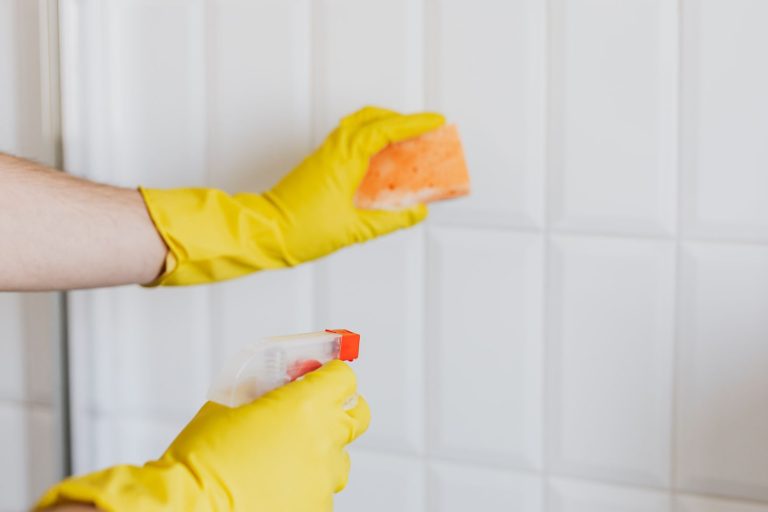
Spread it inside the oven. Wearing gloves, coat the bottom, sides, back and inside of the door with the paste. Put a thicker layer on brown, greasy spots. It will turn brownish as it sits, which is normal.
-
Avoid sensitive parts. Keep paste off the heating elements, the gas burner ports and the fan opening in convection ovens. Also skip the rubber or fiberglass door gasket around the opening.
-
Close the door and wait. Leave the paste for at least 12 hours, or overnight.
-
Wipe away the paste. Use a damp cloth to wipe up as much as you can. For dried, crusty areas, gently scrape with a plastic spatula. Avoid metal scrapers and steel wool, which can scratch the enamel.
-
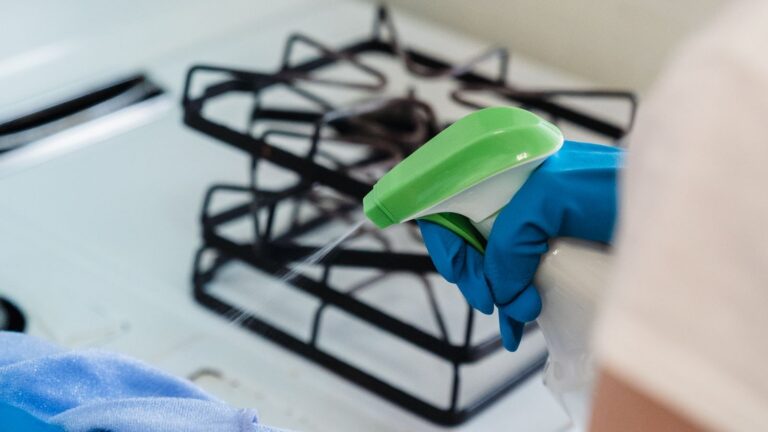
Spray with vinegar. Lightly mist any spots where baking soda remains. It will fizz, which helps loosen the last of the residue so it wipes off more easily.
-
Wipe again. Use a clean damp cloth to remove everything. Rinse the cloth often. Repeat until no white film is left.
-
Dry and air out. Wipe the interior dry and leave the door open for a while. Before cooking, you can run the oven empty at a low temperature for 10 to 15 minutes to make sure it is fully dry.
A quick note on how this works: baking soda is a mild alkali that softens grease and a gentle abrasive that helps lift baked-on food. The vinegar mostly helps clear away leftover powder. You do not need to mix them in advance. In fact, mixing them in a bowl just cancels them out.
How to clean oven racks
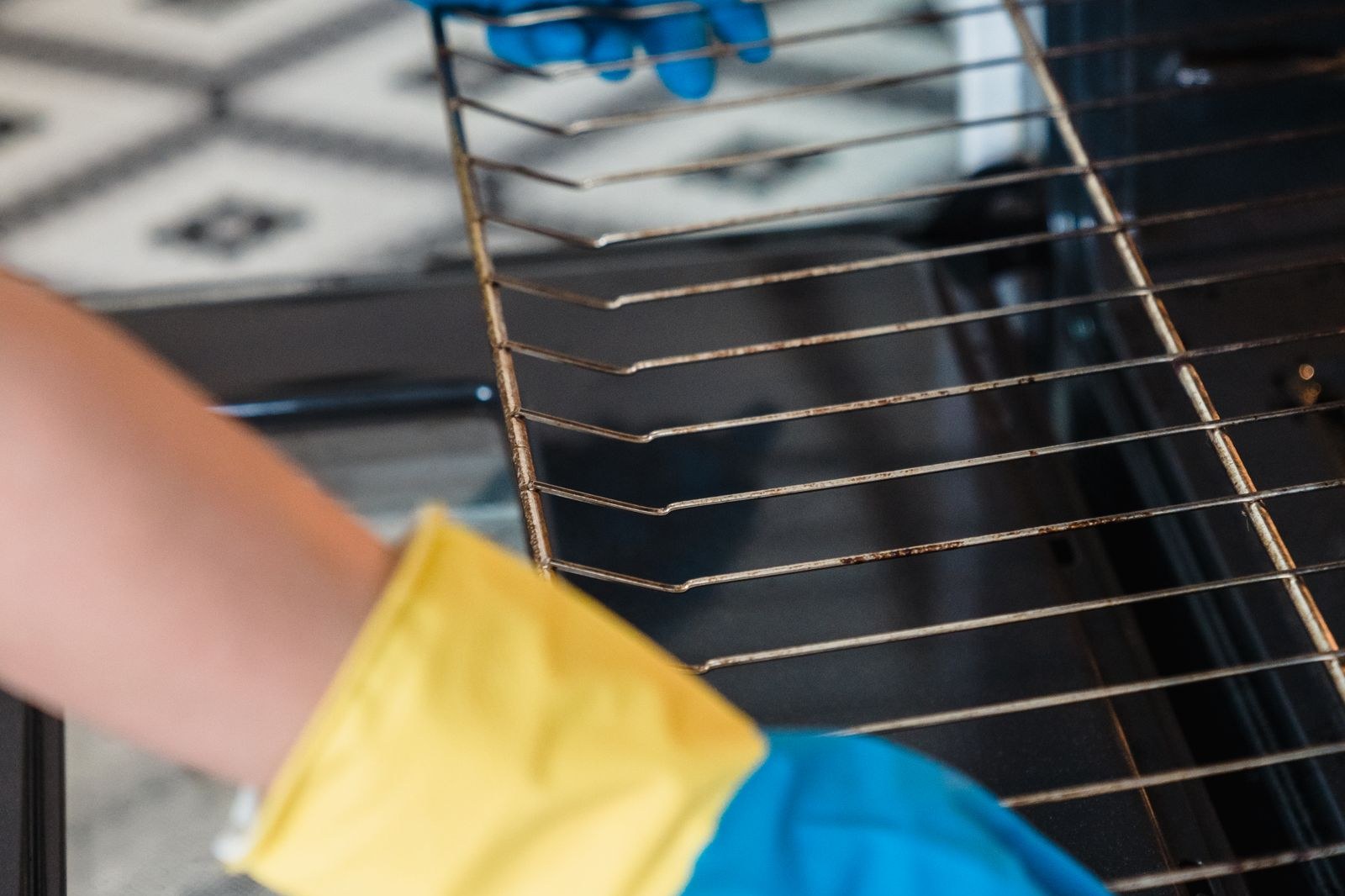
Racks often look worse than the oven itself. The easiest way to clean them is a long soak.
-
Lay an old towel in the bottom of a bathtub or large utility sink to protect the surface from scratches.
-
Place the racks on the towel and fill with enough hot water to cover them.
-
Add a generous squeeze of dish soap and about 1/2 cup of baking soda, then swish to mix.
-
Let the racks soak for several hours or overnight.
-
Scrub with a non-scratch sponge or a stiff brush. An old toothbrush is good for the corners where bars meet.
-
Rinse well, dry completely and put them back in the oven.
No tub? A large plastic storage bin works the same way.
How to clean the glass oven door
The inside of the door glass collects a brown film that makes it hard to check on your food.
-
Spread a thin layer of baking soda paste over the inside of the glass.
-
Let it sit for 20 to 30 minutes, or longer for heavy buildup.
-
Wipe with a damp microfiber cloth, then buff dry.
-
Finish with a light spray of vinegar or plain water and a dry cloth for a streak-free shine.
If you see streaks or drips between the two layers of glass, that grime is inside the door. Some doors can be taken apart for cleaning, but many cannot. Check your manual before removing any screws or panels.
Self-clean mode: cautions
Many ovens have a self-clean cycle that heats the interior to an extremely high temperature, burning food residue into ash. It is convenient, but it comes with a few cautions:
-
Follow your manual exactly. It will tell you what to remove, how long the cycle runs and whether racks can stay inside.
-
Expect smoke and odors. Ventilate the kitchen well and stay home while the cycle runs. Do not leave it unattended.
-
Protect pet birds. Birds are very sensitive to fumes. Move them far from the kitchen, ideally to another part of the house, before running the cycle.
-
Remove racks unless the manual says they are safe. High heat can discolor them and make them harder to slide.
-
Never use commercial oven cleaner in a self-cleaning oven unless the manufacturer allows it. It can damage the special interior coating.
-
Wipe up big spills first. Large greasy puddles can smoke heavily or even flare during the cycle.
-
The door locks. It stays locked until the oven cools down, which can take a while.
For lightly dirty ovens, the baking soda method above is gentler and does not create fumes.
Safety tips
-
Never mix cleaning products. In particular, never combine bleach with vinegar or ammonia. These mixtures release toxic gases.
-
Wear gloves. Baking soda is mild, but long contact can dry and irritate skin.
-
Test first. If you are unsure about a surface, try the paste on a small hidden spot before cleaning the whole area.
How often should you clean your oven?
Wipe up spills once the oven has cooled, before they bake on again and again. Beyond that, a deep clean every three to six months is plenty for most households. If you roast or bake several times a week, aim for the shorter end of that range.
A simple prevention trick: place a sheet pan on the rack below anything likely to bubble over, like pies or casseroles. Avoid lining the oven floor with foil, which many manufacturers advise against because it can trap heat and damage the oven.
FAQ
Can I use baking soda on a self-cleaning oven?
Usually yes, as long as you wipe it out completely. Leftover residue can burn or discolor the enamel during the next self-clean cycle. Check your manual to be sure.
What if the stains are still there after one round?
Repeat the paste on the stubborn spots and leave it longer. Very old, carbonized stains may never come off completely, but they will not harm your food.
Is it safe to cook right after cleaning?
Yes, once every trace of residue is gone and the oven is dry.
Quick recap
-
Spread a baking soda paste inside a cool oven and leave it overnight.
-
Wipe, scrape gently with plastic, mist with vinegar and wipe again.
-
Soak racks in hot water with dish soap and baking soda.
-
Use a thin layer of paste on the glass door for 20 to 30 minutes.
-
If you use self-clean, ventilate, protect pet birds and follow your manual.
-
Never mix bleach with vinegar or ammonia.